
Last Updated: October 25, 2026
Quick Summary
You should rekey locks home immediately after moving into a new home or within the first few days after taking possession, since previous owners, real estate agents, contractors, and service providers may still have copies of old keys. Rekeying changes the lock’s internal pins so old keys no longer work, giving you control over your home’s security.
- Rekey before moving in or within the first few days after closing to prevent unauthorized access during unpacking.
- Professional rekeying typically costs $150-$350 for a three-to-five-lock home, or $20-$40 per cylinder plus a service fee.
- Also rekey after losing keys, when household members leave, after service providers depart, or following a break-in.
- Keyed-alike locks use one key for multiple doors for convenience, while keyed-different locks limit risk if a key is lost.
- Professional rekeying takes 15-30 minutes per lock and is faster and more affordable than replacing locks.
Table of Contents
- Why You Should Rekey the Locks on Your Home After Moving
- Who May Still Have Access to Your Doors
- Rekey Locks After Buying a House: Key Timing Decisions
- Rekey vs. Replace Locks: Which Option Fits Your Situation
- Other Situations When Rekeying Protects Your Home
- Cost to Rekey a House: What Affects Your Total Investment
- Keyed Alike Locks: One Key for Multiple Doors
- Schedule Your Home Rekeying Today
- Frequently Asked Questions
Why You Should Rekey the Locks on Your Home After Moving
Moving into a new home is exciting. It’s also a security risk most people overlook. When you should rekey locks home depends on several factors, but the biggest one is simple: you don’t know who has copies of the old keys.
Previous owners, real estate agents, contractors, and service providers may all have access. Even if they’re trustworthy, you can’t control what happens to those keys over time. A key gets lost. Someone moves and leaves it behind. A copy ends up in the wrong hands.
Rekeying changes the lock’s internal pins so old keys no longer work. It’s one of the fastest ways to take control of your home’s security after moving. This simple step gives you peace of mind that only your keys open your doors.
Who May Still Have Access to Your Doors
Think about everyone who’s touched your home’s keys before you arrived.
The previous owner obviously has keys. So does the real estate agent who showed the property. If the home was rented before, former tenants have copies. Contractors who worked on the house during showings, inspections, or repairs may have kept keys. Handymen, plumbers, electricians, and HVAC technicians often receive temporary access.
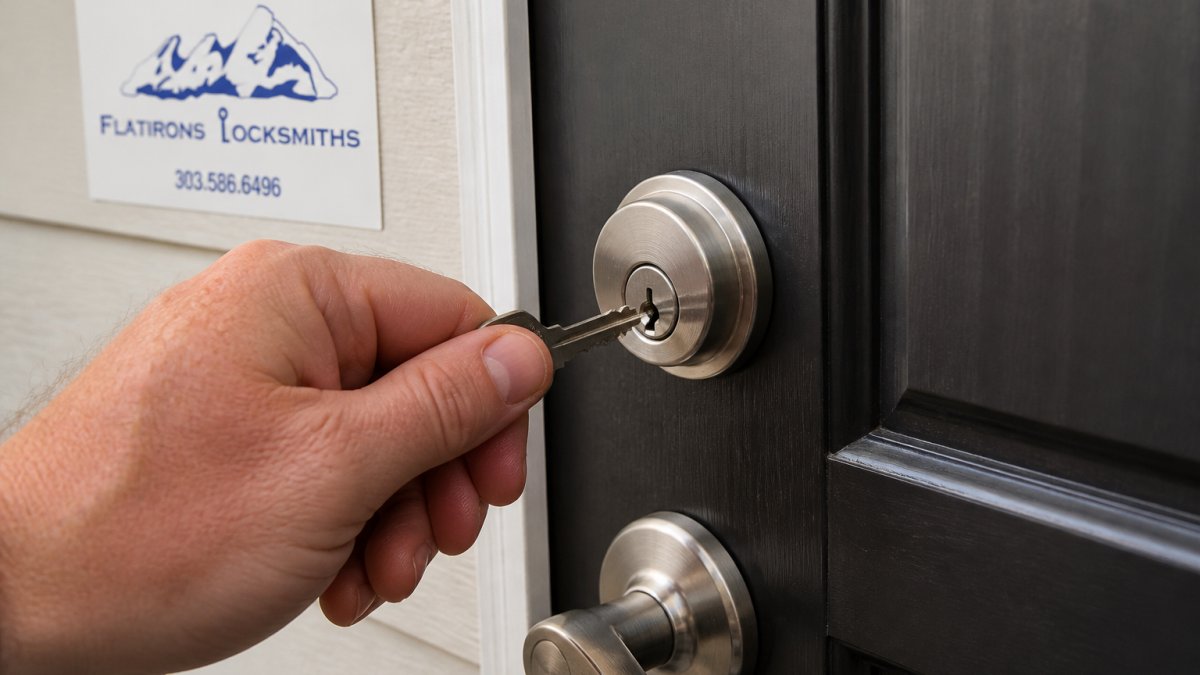
Some of these people are honest. Some aren’t. But even good people lose keys. A contractor’s employee quits and takes the master key. A real estate agent’s office gets burglarized. A key sits in a junk drawer for years, then gets found by someone else.
This is why rekeying matters. It instantly invalidates every old key in existence. New keys work only on your new pins. Old keys become useless metal.
Rekey Locks After Buying a House: Key Timing Decisions
The best time to rekey is before you move in or within the first few days after taking possession.
Many homeowners wait weeks or months. That’s a mistake. Every day you don’t rekey is a day someone with an old key could enter your home. If you’re still unpacking, your valuables are scattered and vulnerable.
If you bought the home, rekeying should happen immediately after closing. If you’re renting, ask your landlord to rekey before you get keys. Most landlords rekey between tenants as standard practice, but not all. Don’t assume. Ask directly.
For doors that get heavy use by service providers, consider rekeying again after they finish their work. If a contractor had access for a month while renovating, and you’re keeping that access point, rekey once they leave.
Rekey vs. Replace Locks: Which Option Fits Your Situation
Rekeying and replacing locks serve different purposes. Understanding when to use each one protects your home and your budget.
Rekeying changes the internal pins so old keys stop working. The lock hardware stays in place. It’s fast, affordable, and works when the existing locks are in good condition. You can rekey locks after buying a house yourself if you’re handy, though professional rekeying takes 15-30 minutes per lock.
Replacing means removing the old lock entirely and installing new hardware. You choose new locks that match your security needs and style. Replacement costs more but gives you control over lock quality, features, and appearance.
When to rekey:
- Moving into a home with working locks
- Concerned about old keys in circulation
- Budget is tight
- Locks are newer and in good condition
When to replace:
- Locks are broken, stuck, or worn out
- You want smart locks or electronic deadbolts
- You’re upgrading security features
- Locks don’t match your home’s style
- You need restricted keys or master key systems
Many homeowners do both. They rekey existing exterior locks immediately after moving, then replace interior locks or upgrade to smart locks over time. Check out 5 best residential door locks for 2026 to see quality options if replacement interests you.
Other Situations When Rekeying Protects Your Home
Moving isn’t the only time rekeying makes sense.
Lost or stolen keys. If you lose a house key or suspect someone stole it, rekey immediately. A lost key is a security hole.
Relationship or household changes. When a roommate moves out, a family member leaves, or a live-in partner departs, rekey.
Service providers leaving. If a nanny, housecleaner, contractor, or home health aide had a key and no longer works for you, rekey that lock.
Renting out part of your home. If you rent out a room, basement apartment, or accessory dwelling unit, rekey those locks.
After a break-in. If someone broke in, rekey all locks even if they didn’t use a key.
Inherited homes or properties. When you inherit a house, you don’t know who has keys. Rekey before moving in or using the property.
Extended vacancy. If you left a home empty for months or years, rekey before returning.
The National Association of Realtors recommends rekeying as a standard security practice when property ownership changes.
Cost to Rekey a House: What Affects Your Total Investment
Rekeying is almost always cheaper than replacing locks, but the total depends on how many cylinders you have, what type they are, and whether you hire a pro or do it yourself. Here is a realistic breakdown so you can budget before you call anyone.
Typical professional price ranges. Most residential locksmiths charge per lock cylinder rather than per door. A common range is $20-$40 per standard pin-tumbler cylinder when rekeyed during a scheduled service call, with a service-call or trip fee of $50-$100 on top.
DIY kit costs. If you rekey yourself, a basic pin-tumbler rekeying kit (pins, follower, plug tool, and key gauge) typically costs $15-$50.
What drives the price up or down:
- Number of cylinders. Every exterior door, plus any keyed interior or garage-entry door, is a separate charge.
- Lock type. Standard deadbolts are the cheapest to rekey. High-security brands, restricted-key systems, and smart locks cost more or may require replacement rather than rekeying.
- Keyed-alike setup. Rekeying several locks to one key is usually priced per cylinder but saves you money on duplicate keys later.
- Access and condition. A sticking, corroded, or painted-over cylinder may need extra labor or replacement.
- Timing. Business-hours appointments are the least expensive; after-hours and same-day emergency calls carry premiums.
- Travel distance. A trip fee often covers a local radius; farther addresses may add mileage.
Rekey vs. replace cost comparison. Replacing a standard deadbolt typically costs $30-$80 for the hardware alone, plus $50-$100 per lock for installation if you hire a pro. That makes replacement roughly two to three times the cost of rekeying a healthy lock.
Ask for a per-cylinder price and the service-call fee separately before you book. A transparent quote lets you compare bids and avoids surprise add-ons for keyed-alike setup or extra keys.
For an exact figure on your home, have the locksmith count cylinders and confirm lock types first. That two-minute assessment is what turns a range into a firm price.
Keyed Alike Locks: One Key for Multiple Doors
Keyed alike means every lock in a group is pinned to accept the same key. One key opens your front door, back door, garage entry, and side door. Keyed different means each lock has its own unique key.
How the mechanism works. A pin-tumbler cylinder is pinned to a specific key cut. Keyed-alike cylinders are pinned to the same cut, so the same key operates all of them. Keyed-different cylinders are pinned to different cuts.
When keyed alike makes sense:
- You want one key for all exterior doors for daily convenience.
- Multiple family members or trusted service providers need simple access.
- You are rekeying several locks at once and want to avoid a bulky keyring.
When keyed different is the better call:
- You want a lost key to expose only one door, not the whole house.
- You rent out part of the home and need separate access for tenants.
- You want to limit which doors a contractor, cleaner, or caregiver can open.
The security trade-off. Keyed alike is convenient but concentrates risk: if that one key is lost or copied, every lock in the group is compromised and must be rekeyed together.
Master-key systems. A master-key system goes a step further: one master key opens everything, while individual keys open only their assigned lock. This is common in rental properties and multi-unit homes.
Restricted keys. Some high-security cylinders use restricted keyways that cannot be copied at a hardware store; duplicates require an authorization card.
Decide keyed alike versus keyed different before the locksmith starts. Changing the plan mid-job means re-pinning cylinders twice, which adds labor and cost.
If you are unsure, ask the locksmith to walk you through which doors should share a key and which should stay separate. That five-minute conversation is the difference between a convenient setup and one you regret after a key goes missing.
Schedule Your Home Rekeying Today
Your home’s security starts with control over who has keys. Rekeying gives you that control quickly and affordably.
After moving, losing a key, or changing who lives in your home, don’t wait to rekey locks home. The longer you delay, the longer old keys remain a security risk. Preventing unauthorized property access goes beyond rekeying, but it starts there.
Flatirons Locksmiths has been serving clients since 2012. We’re locally owned, arrive at your location with mobile service, and provide upfront pricing before we start. Our team is a member of ALOA Security Professionals Association and authorized dealer for Emtek Lock Hardware, ensuring professional-grade work.
Contact us to schedule your rekeying appointment. We offer emergency and scheduled service availability and work around your schedule. Get started with Flatirons Locksmiths and take back control of your home’s security.
| Situation | Best Action | Timing |
|---|---|---|
| Moving into a new home | Rekey all exterior locks | Within first week |
| Lost or stolen key | Rekey that lock immediately | Same day if possible |
| Roommate or tenant leaving | Rekey affected locks | Before new occupant arrives |
| Service provider leaves | Rekey if they had regular access | Within 48 hours |
| Break-in occurs | Rekey all locks | Before returning home |
| Inherited property | Rekey before occupying | Immediately after taking possession |
Frequently Asked Questions
Should you rekey the locks after buying a house?
Yes, rekeying after purchasing a home is one of the most important security steps you can take. Previous owners, real estate agents, contractors, and inspectors may have copies of existing keys. Rekeying ensures only you and trusted family members can enter. This gives you immediate peace of mind and full control over who has access to your new property.
Is it better to rekey or replace your locks?
Rekeying is usually the better choice if your existing hardware is in good condition and functions smoothly. Rekeying changes the internal pin tumbler so old keys no longer work, while the hardware stays in place. Replace locks only if the hardware is damaged, worn, or you want upgraded features like smart locks or restricted keyways. Rekeying costs a fraction of full replacement.
How much does it cost to rekey a house?
Rekeying cost depends on the number of locks and lock type. For an accurate quote based on your specific doors and locks, contact a local locksmith for an upfront estimate. Pricing varies by complexity, so always ask for transparent pricing before work begins.
Can all the locks in a house be rekeyed to use one key?
Yes, you can have all your locks rekeyed to be keyed alike, meaning one key opens multiple doors. This is called keyed alike rekeying. It simplifies key management and is especially useful for exterior doors, garage entries, and storage areas. A professional locksmith can rekey your locks to match a master key system, giving you the convenience of one key while maintaining security across all entry points.
